




Online casinos are frequent targets for cybercriminals due to the movement of funds and sensitive player information. Security breaches may reduce trust, result in financial losses, and affect both players and operators. Understanding strategies for protecting online casino payments and player data enables more informed risk decisions.
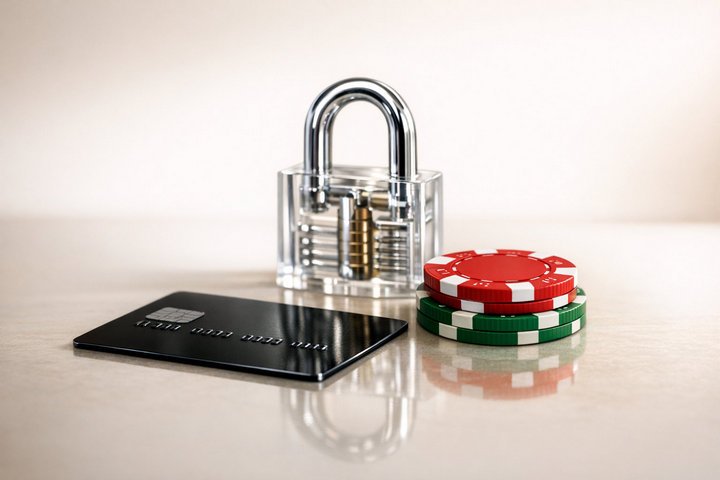
Cybercriminals consistently attempt to exploit vulnerabilities in online casino platforms through a range of strategies, making robust cybersecurity measures essential. Ensuring leadership positions are filled with the necessary expertise via Executive Search can also strengthen an organization’s ability to manage these risks. As online gaming evolves, attackers use methods such as credential stuffing, phishing, account takeover, and payment fraud to target user accounts and backend systems. Protecting transaction processes and personal information remains a priority for cybersecurity teams, supporting both the user experience and regulatory compliance.
Key threats targeting the online casino sector
Online casinos face persistent cyber threats due to the high volume of financial transactions and the presence of valuable personal data. Attackers aim to gain financially or steal information through various techniques.
Credential stuffing, which uses compromised login details, and phishing campaigns that deceive users into providing sensitive information, are among the primary attack types. DDoS attacks and payment fraud further threaten operations and user funds, necessitating comprehensive security protocols.
How platforms secure payments and sensitive data
Encrypted channels, such as TLS, protect transaction data in transit between users and casino servers, while database encryption secures stored information. Tokenization is also employed to keep payment details inaccessible to unauthorized parties.
Fraud detection systems monitor for unusual activity, such as sudden large deposits or rapid withdrawals, to identify possible account takeover or automated misuse. Payment gateways can help reduce security risks during transactions, and effective defenses use a layered approach to improve alert accuracy.
Protecting account access and session integrity
Effective authentication, especially multi-factor authentication (MFA), limits unauthorized access even when credentials are exposed. Many platforms use risk assessments that consider device reputation, location changes, and login history.
Password security is crucial for blocking automated attacks, with systems designed to recognize suspicious access attempts and encourage strong, unique passwords. Advanced session management may also include anomaly detection and step-up verification to add context-sensitive security for critical actions.
Continuous vigilance and building user trust
Constant security logging, SIEM-based analysis, and real-time alerting allow operators to detect and respond to breaches promptly. Regular audits and alignment with industry standards help uphold best practices and maintain compliance requirements.
Providing clear security indicators, timely alerts for verification, and a balanced user experience helps build player confidence. Maintaining the balance between secure operation and an accessible user interface is essential for keeping online casino payments and player data protected.