




Making things for the screen hasn’t been the same since artificial intelligence turned up. Pictures now carry a fair bit of the load on websites, social feeds, lesson packs and online magazines, because a good one stops a scrolling thumb and makes a point land faster. Not so long ago, a small business needing a blog picture could pay a designer or use the stock photo of people grinning at a laptop that everyone had already seen. Original artwork meant talent and hours of hard graft, though that’s no longer the whole story.
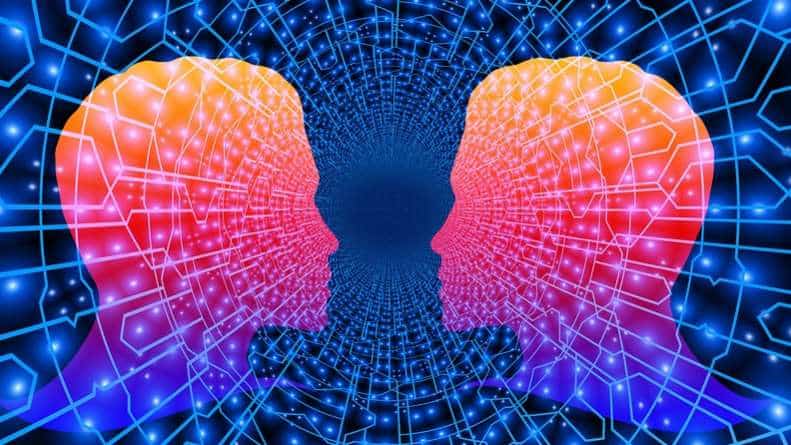
At its heart, an AI image generator reads a typed request and answers it with a picture, with machine learning doing the heavy lifting. A café owner can have a poster idea on screen before the coffee goes cold. It opens a door that once needed a design degree.
Understanding How AI Image Generation Works
Behind every picture sits a great deal of training. The deep learning models involved have studied vast libraries of pictures paired with captions, picking up how objects, colours, settings and everyday words tend to go together. Nobody hand-codes those links.
Typing the request takes ten seconds. What happens next is anything but simple. The software breaks the sentence apart, matches each piece against its training and builds something to suit, whether that’s a cartoon fox or an almost photographic street scene. Someone planning a birthday card might get four versions back in under a minute.
A popular method these days is called diffusion. It starts with a screen of random speckles like the fuzz on an old television and cleans it up little by little. Each round sharpens the edges, settles the textures and fixes the light until the picture matches the words.
The detail can be stunning. There is a catch, though. A vague request such as “a nice garden” tends to come back bland, so the finished picture is usually only as good as the sentence behind it.
Applications Across Different Industries
All sorts of trades are finding a use for these pictures. A marketing team can mock up three moods for a spring campaign in an afternoon. That’s a lot fewer emails starting with “just one more tweak”.
Classrooms are getting a lift too. A history lesson can drop pupils into a Roman market, and a tricky idea like gravity suddenly has something to look at. On a wet Thursday afternoon, a good picture holds a restless class far better than a page of text.
Smaller firms are joining in as well. A bakery might test three Christmas window themes before spending a penny on paint. Novelists can conjure the gloomy castle in chapter one long before the draft is finished. It’s easier to describe a place once it’s been seen.
These tools aren’t just toys for digital artists. A rough picture on the table often saves an hour of talking round in circles.
The Importance of Effective Text Prompts
Most of the magic comes down to the prompt. A loose request leaves the system guessing, and guesses rarely land where the creator hoped. A request for “a dog” could return anything from a puppy in a teacup to a wolfhound on a cliff.
Good prompts spell things out. They name the subject, the backdrop, the light, the art style, the colours and the angle of view. Typing “landscape” alone is a shot in the dark. A peaceful countryside landscape bathed in soft morning sunlight, with mountains fading into the distance and gentle natural colours, gives the system a proper map instead.
Plenty of people learn by fiddling. Swapping “cosy” for “gloomy” soon shows how much a single word can tip the result, and those little experiments teach a surprising amount about how the machine reads language. It’s half lesson, half game.
Exploring Accessibility and Creative Tools
Creative software is easier to get hold of than ever, so making pictures is no longer just for those who’ve spent years with a stylus. An ai image generator can help users explore visual concepts through written descriptions rather than requiring advanced illustration skills. A retired teacher who’s never drawn more than a stick figure can now produce a cheerful cover for the village newsletter.
These tools earn their keep early on, while plans still live on the back of an envelope. A creator can try a handful of directions in the time it takes to boil the kettle, then keep the one that says what they mean.
Mind, the first result is rarely the final one. Pictures often need a crop to fit a banner, a resize for a phone screen or a small fix where something looks off. Knowing that in advance saves plenty of frustration.
Ethical Considerations and Copyright Issues
There’s a thornier side to all this. The technology leaves awkward questions hanging over who owns a picture and what counts as copying. The huge collections used for training may include work by living artists, and lawmakers are still arguing over the rules. Nobody has the final answer yet.
Careful users read the small print before anything goes on sale, since a picture that’s fine on a personal blog might be off limits on a product box. It’s also wise to steer clear of fake scenes that could pass for real photographs, because a convincing image of a flood that never happened can travel round the world before lunch.
Honesty matters most in news reports, classrooms and public notices. A simple “made with AI” line underneath costs nothing. Losing an audience’s trust costs a great deal.
Limitations of Artificial Intelligence Image Generation
These systems don’t always get the brief. They can bend a face out of shape or scrawl words that look like no language on earth. A hand with six fingers is the classic giveaway. Busy scenes can trip up even the best models.
That’s why a human eye is still needed. Someone has to check each result, tidy up the obvious slips and decide whether the picture genuinely suits the job. A café menu with a mangled croissant on the front won’t win many customers.
Plenty lies beyond the software’s reach. It doesn’t understand a local joke or the gut feeling a seasoned designer brings to a brief, so it’s best seen as an extra pair of hands. The machine can draw the picture. Only a person can say whether it’s the right one.
Conclusion
Image generation is reshaping how pictures get made, opening up quick experiments and rough concepts to almost anyone with a keyboard. Teachers, marketers, publishers, designers and weekend hobbyists are all finding a place for it.
The tools will keep improving, so it’ll matter more and more that people know what they’re good at, where they come unstuck and which ethical lines they might cross. The best results come when the software and a thoughtful human work side by side. Pictures made that way mean something, suit their purpose and can be shared with a clear conscience.