




Efficient nucleic acid delivery is a critical step in molecular biology, gene therapy research, and biotechnology applications. Among the various transfection methods available, PEI (Polyethylenimine) transfection reagents have emerged as one of the most widely used and cost-effective solutions for delivering DNA and RNA into cells.
What Are PEI Transfection Reagents?
Pei transfection reagents for nucleic acid delivery is a cationic polymer known for its strong ability to bind negatively charged nucleic acids such as plasmid DNA, mRNA, and siRNA. When mixed with nucleic acids, PEI forms compact complexes called polyplexes, which facilitate cellular uptake through endocytosis.
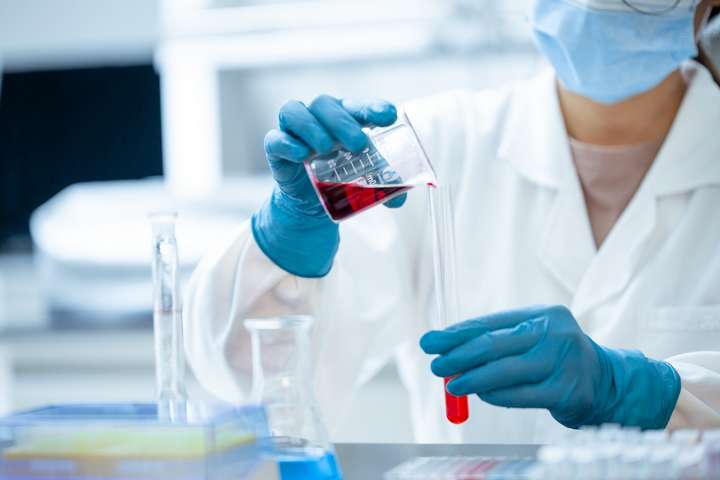
PEI transfection reagents are commonly used in both adherent and suspension cell lines, making them a versatile choice for research and industrial-scale applications.
How PEI Enables Nucleic Acid Delivery
The effectiveness of PEI lies in its unique proton sponge effect. Once the PEI–nucleic acid complex enters the cell via endosomes, PEI buffers the acidic environment, causing osmotic swelling and rupture of the endosome. This releases the nucleic acid payload into the cytoplasm, where it can reach the nucleus or perform its intended function.
Types of PEI Used in Transfection
There are two main forms of PEI commonly used:
- Linear PEI: Known for lower cytotoxicity and higher transfection efficiency in many cell types, especially HEK293 cells.
- Branched PEI: Offers strong DNA binding capacity but may exhibit higher cytotoxicity depending on concentration and cell type.
Choosing the right form depends on experimental needs, cell sensitivity, and delivery goals.
Advantages of PEI Transfection Reagents
PEI-based transfection reagents offer several benefits, including:
- High transfection efficiency
- Cost-effectiveness compared to lipid-based reagents
- Scalability for large-scale protein and viral vector production
- Compatibility with a wide range of cell lines
- Suitable for DNA, mRNA, and siRNA delivery
These advantages make PEI a preferred option in gene expression studies, viral vector manufacturing, and biopharmaceutical research.
Applications of PEI Transfection
PEI transfection reagents are widely used in:
- Gene expression and functional genomics studies
- CRISPR/Cas9 gene editing experiments
- Viral vector production (AAV, lentivirus)
- Vaccine development research
- Protein expression and antibody production
Limitations and Considerations
Despite its advantages, pei transfection reagents for nucleic acid delivery does come with some limitations:
- Potential cytotoxicity at high concentrations
- Optimization required for different cell types
- Less suitable for highly sensitive primary cells
Proper optimization of the PEI-to-nucleic acid ratio and transfection conditions can significantly improve results while minimizing toxicity.
Conclusion
PEI transfection reagents remain a powerful and reliable tool for nucleic acid delivery in modern biological research. Their affordability, scalability, and efficiency make them an excellent choice for both academic laboratories and industrial applications. With careful optimization, PEI continues to play a vital role in advancing gene delivery technologies and therapeutic development.